

Your car does a lot for you: it gets you to work, school, road trips, and everywhere in between. But how often do you stop to think about what you’re doing for it?
Regular servicing is one of the most important things a vehicle owner can do, yet it’s one of the most commonly neglected. Whether you’re navigating the winding roads around Stellenbosch or commuting across the Cape, understanding your vehicle’s service needs saves you money, extends your car’s life, and keeps you safe.
Ready to get your vehicle serviced by experts with over 40 years of experience? Book a service with Johan Behm Motors in Stellenbosch today.
Why Regular Servicing Matters
It might be tempting to push back that next service appointment, especially when your car seems to be running fine. But the consequences of skipping maintenance can be severe. Research cited by the NHTSA (National Highway Traffic Safety Administration) estimates that poor vehicle maintenance leads to approximately 2,600 deaths, 100,000 disabling injuries, and nearly $2 billion in economic losses every year in the United States alone. Closer to home, the same principles apply: a poorly maintained car is a danger to you and everyone else on the road.
Beyond safety, deferred maintenance nearly always costs more in the long run. A small issue, like a worn belt or low brake fluid, that costs little to fix today can quietly develop into much larger, costly repairs if left unattended.
The General Rule: Once a Year or Every 15,000 km
Most vehicle manufacturers recommend a service interval of at least once a year or every 10,000 to 15,000 kilometres, whichever comes first. Your owner’s manual is the single most accurate guide for your specific vehicle, and it should always be your starting point.
Many modern vehicles, including popular brands like Volkswagen and BMW, also feature a dashboard service indicator, a spanner icon or a “service due” notification that prompts you when it’s time to book.
That said, the right interval for you depends on a few key factors.
Factors That Influence How Often You Should Service Your Car
Driving conditions. South African roads range from smooth highways to rough gravel tracks. If you regularly drive in dusty conditions, tow loads, or navigate poor road surfaces, your vehicle works harder than average. Under these more demanding conditions, more frequent servicing, potentially every six months, is worth considering.
Vehicle age. Older vehicles generally require more attention than newer ones. Components wear down over time, and parts that were fine at 100,000 km may need replacing at 200,000 km. If you drive an older or high-mileage vehicle, sticking strictly to annual servicing is especially important.
Mileage. High-mileage drivers, those covering more than 2,000 km per month, should consider an interim service every six months in addition to their annual full service. The AA (Automobile Association) recommends this approach to catch wear and tear before it becomes a problem.
What Happens at a Service?
A typical service covers a range of checks and replacements designed to keep your vehicle in top condition. At a minimum, this includes an engine oil and filter change, brake inspections, tyre checks, and fluid top-ups. A full annual service adds more detailed inspections of key components such as steering and suspension, air filters, and battery condition.
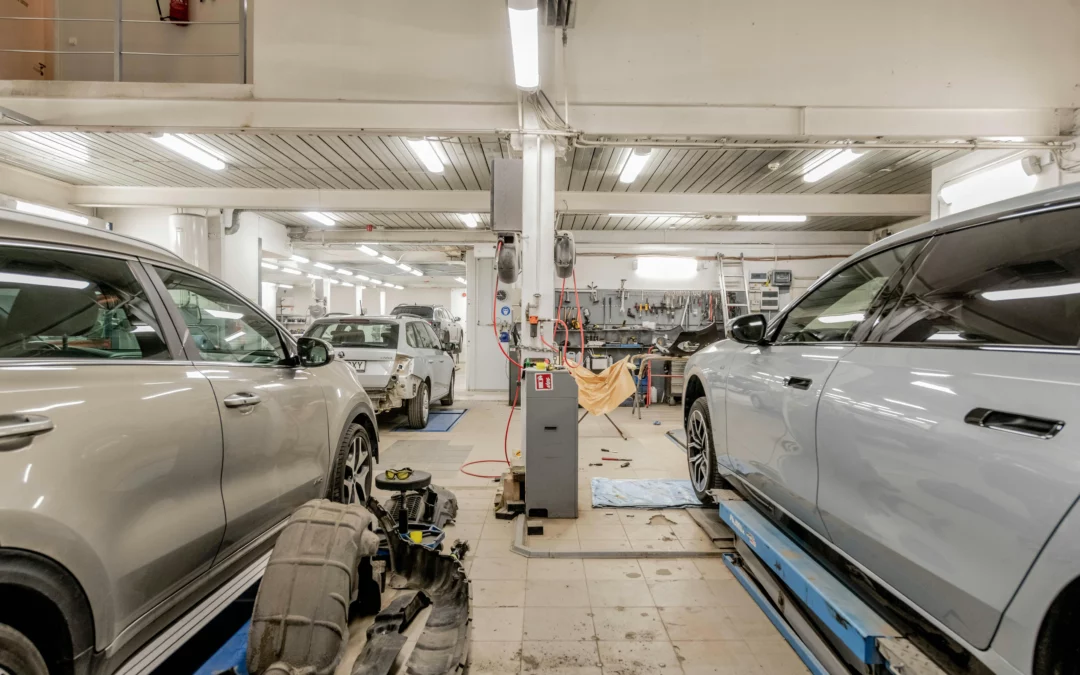
Johan Behm Motors, based in Stellenbosch and a member of the Retail Motor Industry (RMI) accredited workshop network, offers comprehensive services, including vehicle diagnostics, brake and engine repairs, oil changes, steam cleaning, and routine maintenance, all backed by skilled technicians and a customer-first approach.
As an RMI-accredited workshop, Johan Behm Motors emphasises using high-quality parts sourced from approved suppliers to ensure reliability and long-lasting vehicle performance, rather than the cheap car parts that so often cost more in the long run.
The Cost of Neglect
Skipping services doesn’t just risk a breakdown, it risks your safety. According to NHTSA research, approximately 20% of all traffic accidents are caused in some way by poor car maintenance or a lack thereof.
The most common culprits are tyres and brakes. Tire failure or degradation was identified in about 43% of car crashes, while brake failure was a contributing factor in 25% of accidents.
Regular servicing also protects your investment. A vehicle with a full service history retains a higher resale value, and dealers and private buyers alike will pay more for a car that has been consistently and professionally maintained.
A Simple Service Schedule to Follow
If you’re unsure where to start, this general framework is a reliable guide:
- Every 6 months or 7,500 km: Interim service, oil change, filter check, brake inspection, tyre rotation, fluid top-up.
- Every 12 months or 15,000 km: Full service, all interim checks plus suspension, steering, battery, air filter, and other key components.
- As needed: Check your owner’s manual for major services at 60,000 km, 90,000 km, and beyond, which may include transmission fluid, spark plugs, and timing belt replacement.
Recent Comments